Defend Waterways of the Potomac with Potomac Riverkeeper Network

By Nathan Ackerman, VP Communication & Creative, Potomac Riverkeeper Network
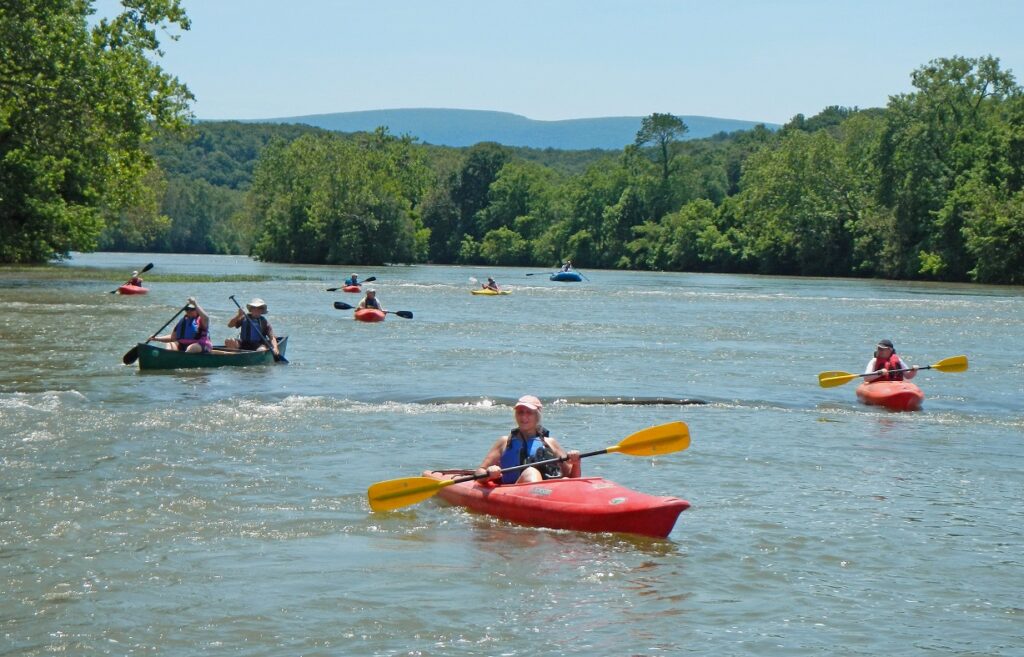
RiverPaloozapaddlersandMountains
Photography: Lindsay Bernal, courtesy of Potomac Riverkeeper Network

Potomac Riverkeeper Network is a non-profit environmental organization fighting to keep pollution out of the Potomac and Shenandoah rivers through grassroots organizing and legal advocacy.

We believe experiencing our rivers builds appreciation for them. We defend and enhance public access to the waterways of the Potomac watershed through Riverkeepers, who identify and address threats to the Potomac, Upper Potomac, and the Shenandoah.

We serve the 6 million people who rely on our rivers as the source of their drinking water, the thousands of recreational users of the rivers, and the many more who may never spend time on our rivers but appreciate their beauty, and the vital role they play in our economy and the ecosystems they sustain.
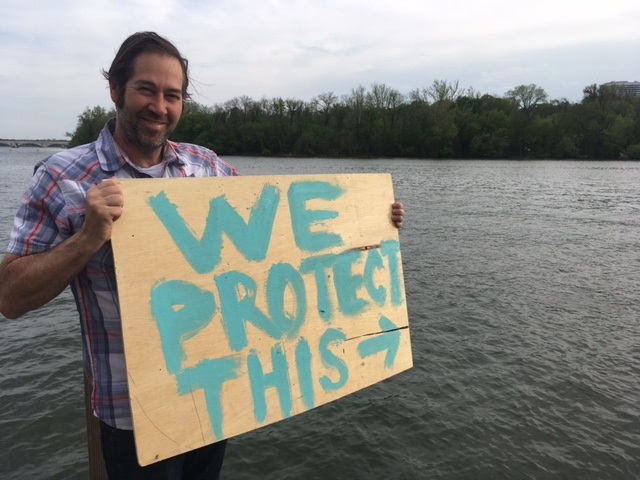
PRKNWeProtectThisSmallPic
Photography: Lindsay Bernal, courtesy of Potomac Riverkeeper Network

We protect and defend our rivers because they sustain life. Our rivers supply our drinking water and put food on the table. Keeping our rivers healthy keeps the Chesapeake Bay healthy – which generates 33 billion in recreational and economic benefits each year. But beyond the economic benefits, we believe our rivers have intrinsic value that merits protection.

The work we do is important because our country still allows industry, municipalities and agricultural operations to externalize significant costs by using our rivers to dispose of their waste and pollution. Proposed rollbacks of federal clean water protections make our work more important than ever – local vigilance, citizen action, public education and engagement are the last lines of defense.

Our work in Alexandria, Virginia kept nearly a billion gallons of sewage and contaminated stormwater out of the Potomac by exposing the extent to which the city was polluting our nation’s river. Generating pressure through the media and raising public awareness cut over a decade off of the original plan for fixing the problem.

When we discovered families in Dumfries, Virginia were being poisoned by toxic coal ash leaking into their drinking water, we organized the community, and worked to get a law passed to address the situation.

We are inspired by the belief that people have a fundamental right to clean water. We are inspired by single moms working two jobs who find time to speak up for the environment at public hearings. We are inspired by the fact that nearly 50 years ago President Lyndon Johnson called the Potomac River “a national disgrace” but today long lines lead to the Key Bridge boathouse filled with people who can’t wait to get out on the river, thanks to the Clean Water Act.

Here in Washington, we’re seeing a dramatic change in the public perception of the river – urban planners see it an an amenity, not an afterthought.

“Choosing to save a river is more often an act of passion than of careful calculation. You make the choice because the river has touched your life in an intimate and irreversible way, because you are unwilling to accept its loss.”

(David Bolling, How to Save a River: Handbook for Citizen Action)

Our biggest outreach event of the year, RiverPalooza, kicks off June 3rd with a day of paddling followed by a BBQ and Bluegrass party in Harpers Ferry. RiverPalooza runs most weekends through the summer and will feature 14 river adventures for all ages and skill levels – kayaking, stand up paddle boarding, canoe and camping trips. For those looking for ways to experience our rivers, this is the way to do it.

On the campaign front, we just committed to taking a leadership role in fighting a pipeline project that would carry fracked gas from Pennsylvania through the Maryland panhandle, and under the Potomac River. The company proposing this doesn’t have a great safety record. There’s no need for Maryland to risk their natural resources, tourism and recreation dollars on a pipeline that does nothing for them – the gas isn’t going to Maryland, it’s going through Maryland. Banning fracking in Maryland was the first step. Keeping pipelines out is next.

  • Success for Potomac Riverkeeper Network is a healthy Shenandoah and Potomac River, made possible by holding polluters accountable and building public awareness and appreciation for the role rivers play in our lives.
  • Success would be never reading another headline about how the swimming portion of the National Triathlon was cancelled because the water was unsafe for human contact.
  • Success is stopping cities from dumping raw sewage into the river. Success would be building the next generation of advocates for our rivers, setting their expectations high, and giving them the tools to win.
  • A perfect day is bringing a group of people to a scenic stretch of the Shenandoah for the first time and seeing their faces light up as they discover what we fight for and why – without any explanation.

We can be reached by calling 202 888 2037 or by emailing nathan@prknetwork.org or maria@prknetwork.org. Our website has information about our priority issues, links to take action, to volunteer and to join our organization. A great way to engage with us is to participate in one of our RiverPalooza trips, which are led by our Riverkeepers or liking us on Facebook.

“Keep your rivers flowing as they will, and you will continue to know the most important of all freedoms – the boundless scope of the human mind to contemplate wonders, and to begin to understand their meaning. “

(David Brower, The Foreword to Oregon Rivers by Larry Olson and John Daniel)


Every Day is Earth Day at National Park Trust

by Grace Lee, Executive Director, National Park Trust

Preserving parks today; creating park stewards for tomorrow.

EW Stokes_Bladensburg park
Photographer: Chris Rief, courtesy of National Park Trust

Celebrated each year on April 22nd, this year’s Earth Day falls during National Park Week (April 15th through April 23rd). National Park Week is celebrated at more than 400 national park units across the country, many of which are located right in our backyard. Did you know that the White House, National Mall, Rock Creek Park and the C & O Canal all are National Parks?

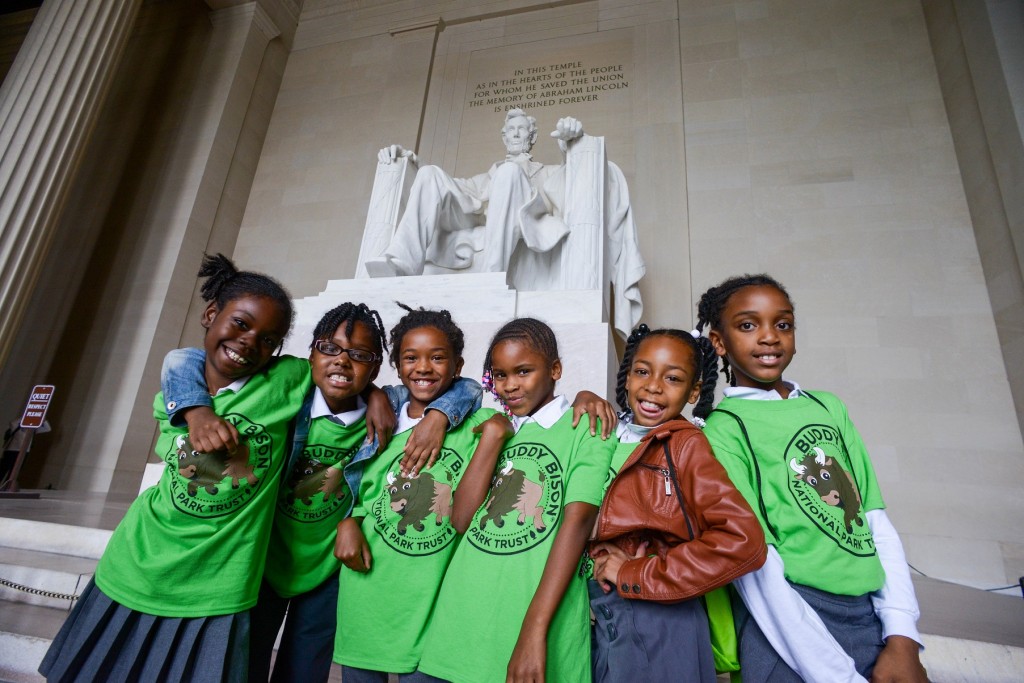
Neval Thomas_National Mall_Lincoln Memorial
Photographer: Chris Rief, courtesy of National Park Trust

Earth Day is a time to pause, think, and take action to protect our environment – something that is at the core of the mission of National Park Trust (NPT), a 501(c)(3) nonprofit included in this year’s Catalogue for Philanthropy. For more than 30 years, NPT has worked to protect our national parks locally and across the country. Our mission focuses on preserving parks today and creating park stewards for tomorrow.

St. Fancis Xavier_Anacostia Park
Photographer: Chris Rief, courtesy of National Park Trust

NPT acquires privately owned lands located within and adjacent to our national parks including national parks in the DC-metro area. There are millions of acres of privately owned land located inside the boundaries of our national parks. NPT’s land acquisition projects are selected from a high-priority “wish list” provided to us by the National Park Service; many are at risk for development.

The long-term protection of our country’s unique natural, historic and cultural treasures depends on our youth – our future stewards who will protect these special places for generations to enjoy. Most of the visitors to our national parks are white and aging. If our parks are to be protected in perpetuity, we must connect our growing young and diverse populations with these special places. Simply said: kids need parks — and parks need kids.

EW Stokes_Carderock
Photographer: Billy Schrack, courtesy of National Park Trust

That’s why in 2009 we launched our fun and innovative Buddy Bison School Program in the DC-metro area in six under-served elementary and middle schools. At the heart of the program is our mascot Buddy Bison who encourages kids to explore outdoors, the parks are yours! Little did we know how quickly (in just eight short years!) our program would grow, as teachers eagerly incorporated environmental education into their classrooms. As a result, and thanks to the outstanding support from our donors, we now fund 60 Title I schools locally and across the country. Our dream? To grow and sustain 100 schools in honor of the 100th birthday of the National Park Service, which was celebrated last year.

The Buddy Bison program provides park trips tying in STEM, history and social studies curricula. In addition to being terrific outdoor classrooms, parks are also ideal places where students can learn about health and wellness through outdoor recreation and park stewardship through career and volunteer opportunities.

Neval Thomas_National Mall_FDR
Photographer: Chris Rief, courtesy of National Park Trust

This Earth Day, we invite you to join us in taking action to protect and preserve our national parks and the environment. Then on Saturday, May 20th, let’s keep the momentum going by celebrating Kids to Parks Day – a national day of outdoor play, organized by NPT, that focuses on kids, our future park stewards. There are lots of free park events registered at kidstoparks.org including several in our backyard.

If you’d like to learn more about our work and how you can get involved, visit parktrust.org because…Every day is Earth Day at National Park Trust!

Saving the Amazon Rainforest with Science

By Ana Folhadella, Development and Communications Associate, Amazon Conservation Association

The Amazon rainforest is under attack. While the region still maintains vast tracts of intact, megadiverse, and carbon-rich forests, it faces escalating threats from illegal gold mining, illegal logging, illegal drug plantations, unsustainable agriculture, cattle pastures, and road construction. At current rates, more than half of the Amazon rainforest may be destroyed or severely damaged by 2030.

Keeping the Amazon standing is crucial for our survival as a species. The Amazon has long been recognized as one of the most biologically rich regions on Earth. It is home to millions of species of animals, plants and insects, essential not only to the indigenous communities living in the region, but also to the overall health of our planet. The rainforest is not just some far-away land that gets showcased at National Geographic specials from time to time, and deforestation happening there affects us right here in the U.S.A. This forest stores 80 to 120 billion tons of carbon, which helps stabilize the Earth’s climate. Destroying such a large storage of carbon will have devastating effects on all of our lives.
ACA5 The Amazon Conservation Association (ACA) was established for the sole purpose of protecting the Amazon rainforest and all those who call it home. Since 1999, we have been pioneers in conservation, focusing our efforts on a key area where the Amazon rainforest meets the Andes mountains in Peru and Bolivia.

Our founding program provided financial and technical support for Brazil nut harvesters in Peru, as an incentive for helping protect the Amazon rainforest. We now work with more than 100 communities in the Andes-Amazon to help them make a living in ways that also sustain biodiversity in the forest and have widely expanded our conservation efforts into other areas. Moreover, now we:

  • Protect over 3.8 million acres of Amazonian rainforest through the creation of legally recognized protected areas and other conservation strategies;
  • Plant tens of thousands of trees every year to help restore damaged habitats;
  • Use innovative satellite imagery to monitor deforestation in near-real time and alert key stakeholders of potential illegal activities;
  • Host hundreds of researchers annually, who advance our understanding about biodiversity, conservation methods, and the impacts of climate change;
  • Partner with indigenous communities to develop forest-friendly livelihoods;
  • And much more!

ACA4

A vital part of our conservation approach is the use of cutting-edge science to inform projects on the ground, promote rational discourse on tough policy questions, and educate and inspire the next generation of conservationists. To this end, we manage some of the best biological research stations in the tropics where each year we host hundreds of scientists and students from all over the world, conduct biological monitoring, and provide workshops and educational opportunities for local communities.

To this date over 200 research projects have been conducted at our stations, including studies on the effects of climate change on amphibians, the impact of overgrazing on threatened high altitude wetlands, the dynamics of mixed-flocks of birds, the diet of Andean bears, and the diversity of orchids in the region.

Dr. Miles Silman, Professor and Director at the Center for Energy, Environment and Sustainability at Wake Forest University stated that ACA’s field stations are our laboratories and windows into the future of Earth’s highest biodiversity area. They are important not only to understand biodiversity now, but how it will survive in the future.

ACA3

Our scientific approach can also be seen in our Monitoring of the Andean Amazon Project (MAAP), where we use high-resolution satellite imagery from sources like NASA to track deforestation in the Amazon and analyze its causes. Not only do we use science to track this deforestation in near real-time, we also have formed closed alliances with local authorities who now use this data as a key piece of information to stop deforestation before it gets to a point of no return. The information we publicly post on MAAP is strictly scientific and unbiased, which helps authorities and lawmakers utilize it to further conservation efforts.

ACA2

Not only do we use science-based conservation in all of our protection efforts, we also strive to train the next generation of conservationists who will be at the forefront of environmental conservation years from now. We believe that supporting new conservationists early in their careers will be key in ensuring the Amazon is protected by trained experts for generations to come.

ACA’s very own General Science Coordinator, Sandra Almeyda, started off as a scholarship recipient and is now a full-on biologist contributing to the protection of the Amazon. “I started my scientific career thanks to a scholarship granted by ACA to develop my undergraduate thesis,” she says, “now as the General Science Coordinator, one of my main motivations is to inspire young scientist and provide them with opportunities to follow their passion, to experience science first hand, and to fall in love with their profession, like I did.”

ACA1

We hope you will join our conservation journey to keep the Amazon rainforest safe and our climate in check. You can make a difference by:

Learn more about how your support is helping protect the Amazon and how you can become a conservation hero at http://www.amazonconservation.org/.

PS: All the beautiful images in this post were taken at our biological stations in Peru and have NOT been photoshopped! Come experience this magical place in person!

DC SCORES is Team!

Spring, it seems, is here to stay in Washington, DC, and for one nonprofit after-school program, that means service.

sensational

At DC SCORES, elementary and middle school students across the District — 2,200 of them — create change in their communities during the 12-week season through service-learning projects.

Writing coaches hired by DC SCORES80% of whom work at the schools — lead students through the program’s thick service-learning curriculum, taking them on a journey that goes like this:

Stage 1: Examine your community. Kids walk around their school building and into the surrounding neighborhood, equipped with clipboards and a pencil. They jot down what rubs them the wrong way. Is there a lot of trash? Homeless people suffering? A lack of gardens? Stray animals?

Stage 2: Research. After a collaborative decision on which issue to focus on, the kids educate themselves. They look up statistics online. They talk to people who are relevant to the issue locally. They become informed.

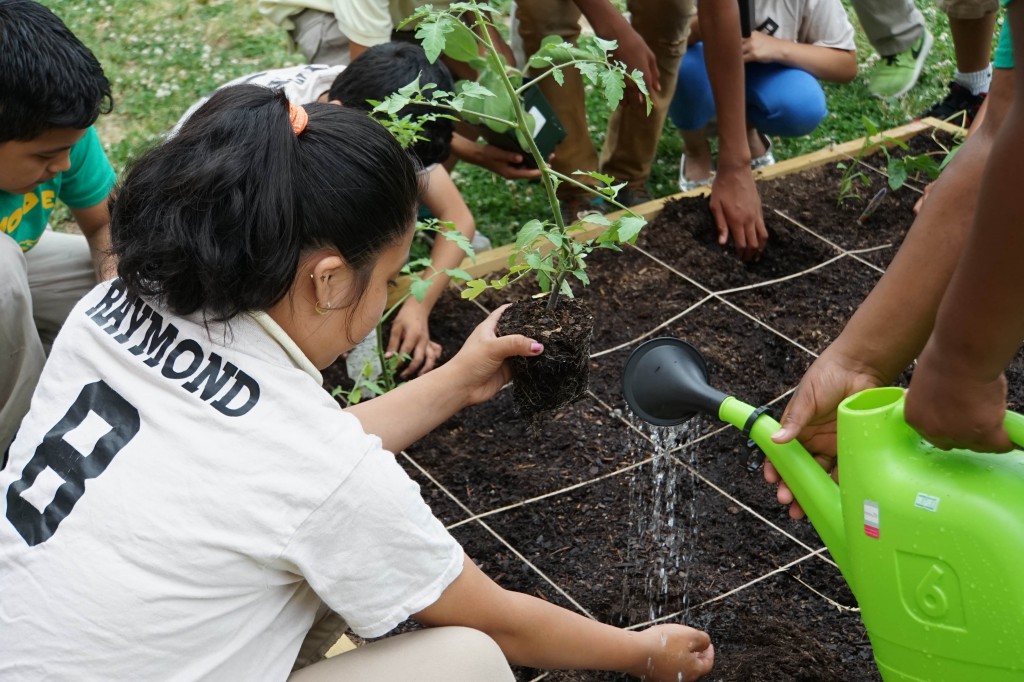
Stage 3: Implementation. It’s time to go to work! During the two service-learning sessions after school each week, the kids — feeling empowered like never before — take the steps as a team to create change. Some projects culminate in a big day (examples: a car wash to raise money to feed the homeless; a fun race to fundraise for the local animal shelter; a fitness festival to bring awareness about healthy living to their school community) while others are multi-week processes such as the creation of a school garden.

DSC01176

Stage 4: Reflection. The last week of the spring DC SCORES service-learning season is spent reflecting on the project. What were the biggest challenges? What felt most rewarding? How did the kids feel when it we completed? Many lessons come out of these projects, and the elementary and middle school poet-athletes in DC SCORES learn just how powerful they are to make a difference in their communities, especially when working together.

—————————

DC SCORES was born in 1994 by a Teach for America teacher, Julie Kennedy, who noticed that girls she taught at Marie Reed Learning Center (now Marie Reed Elementary School) had nothing to do after school. Julie rolled out a soccer ball one day, and the girls embraced the game. On a rainy afternoon, with everyone stuck inside, Julie placed a notebook in front of each girl and and encouraged them to freely write down their thoughts about anything. The poetry aspect, which takes place during the fall season and culminates in the annual Poetry Slam!, came about. Service-learning was added as the third prong of the innovate model shortly thereafter.

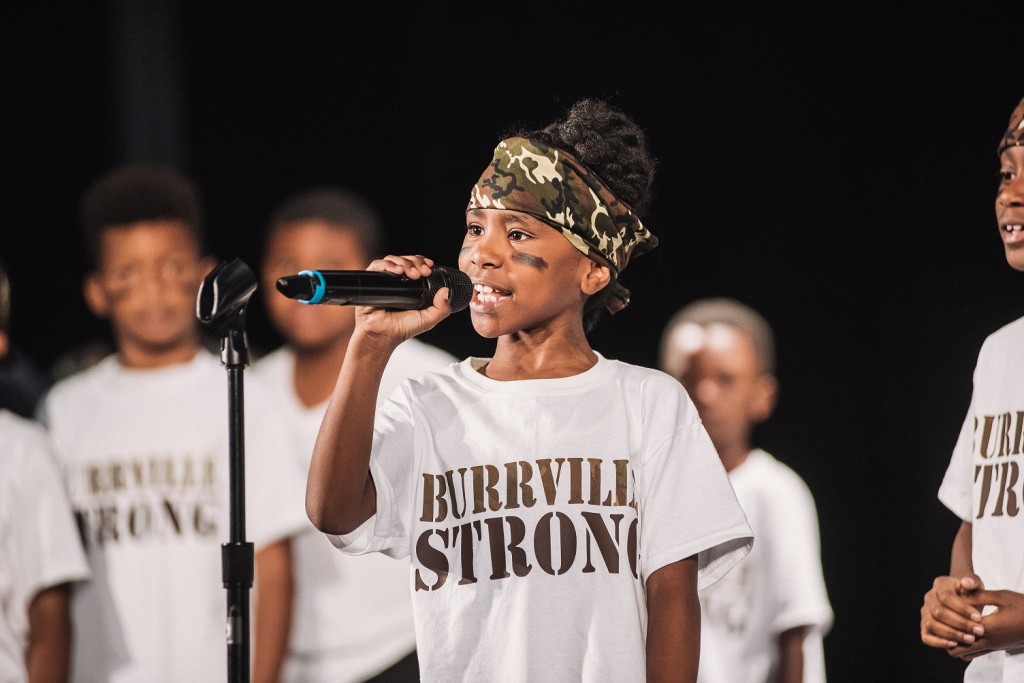
EastsideSlam_2016_socialmedia-26

DC SCORES goes where kids in need are — they operate in all eight wards, with 55 sites at DC public and public charter schools and rec centers; the program’s waiting list is 20 schools deep — and gives them the skills and confidence to be successful on the playing field, in the classroom, and in life.

Every aspect of DC SCORES, from the weekly game days to the Slam! to service-learning, is based around team and led by supported, trusted coaches who are considered leaders in their school communities. If you are in Columbia Heights or Deanwood or many other DC neighborhoods, you will see kids and adults walking around in DC SCORES school-customized T-shirts. They wear them proudly.

DC SCORES is team. And the bonds created within DC SCORES lead to stronger, healthier, happier communities throughout the District regardless of resources available. Just consider Imagine Hope Community Charter School – Tolson Campus, which last year created a school garden on its blacktop out of recycled soda bottles.

Give kids an outlet, the confidence, and the tools to make their world a better place, and the result will be beautiful.

lincoln-chavez

—————————

GET INVOLVED
So how can you get involved with DC SCORES this spring?

Volunteer: DC SCORES especially needs volunteers for its season-culminating Jamboree! on Saturday, June 3 for all 2,200 kids and their families. Many roles are available. Additionally, referees are needed for Thursday game days (no experience necessary). Check out all volunteer opportunities HERE.

Website: Learn more about DC SCORES at www.DCSCORES.org or by connecting with the program on any social media platform (just search DC SCORES).

Building Remarkable Futures, One Middle School Student at a Time

By Cynthia Rubenstein, Executive Director – Passion for Learning

P1040475 (2) (1)

It’s not what you pour into a child, it’s what you plant. Unknown

Passion for Learning (P4L) engages economically disadvantaged middle school students in Montgomery County through digital technology, after school programs, and college readiness summer camps. Coached by talented school teachers, digital tech professionals and high school student mentors, our youth become savvy and responsible digital citizens with aspirations and plans for bright futures.

Middle school is the perfect time to engage youth in dreaming and building their futures. At Passion for Learning we know it is critically important to engage students in their middle school years and help them prepare for successful transitions to high school, as well as, develop goals for post secondary education.

In Montgomery County, academic enrichment opportunity gaps continue to exist for students of color and students from low income families. At P4L we aim to close these opportunity gaps by surrounding middle school youth with adults and older students who expose them to exciting possibilities in technology and help them develop their potential and talents.

20160517_155941_resized

Every year P4L engages 120 plus students at eight middle schools who develop digital technology skills and interests. Each year at least 80% of P4L’s youth develop new interests in taking digital technology courses in high school and more than 60% plan careers that require technology skills. At least 80% of youth say that our programs help them think about what they want to do in the future and more than 75% say they plan to achieve four year college degrees.

Our middle school youth inspire us with their boundless curiosity, energy and potential. Middle school students are at a remarkable stage in their lives. They are discovering who they are and figuring out their place in the world. They are open to new experiences and exploring new interests that may “spark” them for life. It’s the exuberant and inquisitive spirit of middle school youth that inspires us at P4L!

A typical day at P4L after school program finds students designing video games and learning Java Script or Python programming languages; creating youth videos for local cable tv stations; building circuit boards to power LED lights; taking a digital photography and photo editing workshop from a pro; designing web sites and writing news blogs.

At P4L we are always looking for adults who want to share their knowledge and experiences with our middle school youth. If you’re a tech professional, we’d love to have you meet and engage with our students after school. We’d love to talk to you about the possibilities. Contact us at p4learning@aol.com or call Cynthia Rubenstein, Executive Director, at 301-589-1725.

A Safe, Nurturing Place for Girls

The Washington School for Girls – By Kelley Lockard

Kelley Lockard and WSG Students (Class of 2016)

Before 1997, there were few quality educational options or services for girls in Southeast DC. And there was no place where a girl on the verge of womanhood could find mentorship or learn in a safe environment that values her as an individual. That is why the Washington School for Girls (WSG) was founded: to provide a safe, nurturing place for girls to not only learn and grow, but to thrive.

Of course, a lot has changed since the school was founded 20 years ago. More people have started to take an interest in Southeast neighborhoods. There are more resources, more options for education. The community itself is changing. However, through all of these changes there continues to be a strong need for a school that works for and with the community. That’s why WSG is so important, and why our students succeed: we educate the whole child.

WSG 2016-180

We pride ourselves on providing a holistic model of education, one that accepts not just students, but also families. A student’s experiences at home are just as important as her experience in the classroom. We work with parents to engage them in the educational process and help them access the resources they need to support their daughters as learners.

As an administrator and former teacher, I feel I am most attuned to a student’s needs when I have developed a close relationship with her family. I know that if I can build a long-term, reciprocal relationship with a family then I can truly help a child reach her full potential. One of the most rewarding parts of my job is seeing a girl come into her own after entering the school with nearly every aspect of her life in disarray. That kind of transformation does not happen overnight, and it’s impossible without the support of the family.

WSG 2016-131

Luckily for me, I’ve witnessed that transformation innumerable times in my years at WSG. It’s what motivates me to do the work that I do. My desk is full of photos of the young women I have helped to transform, and every day I am fortified by their smiles and the knowledge of their achievement. I look at them and know that they will make a positive difference in their communities.

WSG was built on the beliefs and values of extraordinary, courageous women. As we enter Women’s History Month and approach the 20th Anniversary of the school this spring, I am increasingly reflecting on that fact. In the classroom, our students are learning about women who have changed the course of history, but they are also learning leadership skills, whether it’s helping their teachers hand out assignments, leading an after-school club, or mentoring younger students.

I recognize the ability to lead and the determination to do so in many of our students. It is something I have worked hard to incorporate into the curriculum at WSG because I believe that leadership builds confidence and allows students to become more actively engaged in the classroom. Seeing the lightbulb come on over a student’s head is the best feeling the world, and it only happens when that student knows she is capable of more.

My hope for the future is that our students take the lessons they learn at WSG, both in and out of the classroom, to heart. There are many challenges ahead for our country and the world, especially in terms of equality and justice. The most daunting task in my job as an administrator is to ensure that our students are prepared to face those challenges, to navigate a world that does not always value them. I know that they will not be able to do it alone, but I hope that we can give them the knowledge, skills, and courage to overcome adversity.

Posted on my door is a daily affirmation known as the Serenity Prayer. It’s a very popular prayer and my mother’s favorite prayer, but I never appreciated it until I became a teacher. I look at it every day, sometimes several times (depending on the day), because it reminds me to be myself and accept the things I cannot change. Superwoman is not at all a part of my name, but I find strength in accepting that fact and courage to try anyway. If my students walk away from WSG accepting of who they are and still ready to change the world, then I know I will have succeeded.

Goosebumps with Girls on the Run – DC

by Kristen Komlosy – Executive Director, Girls on the Run DC

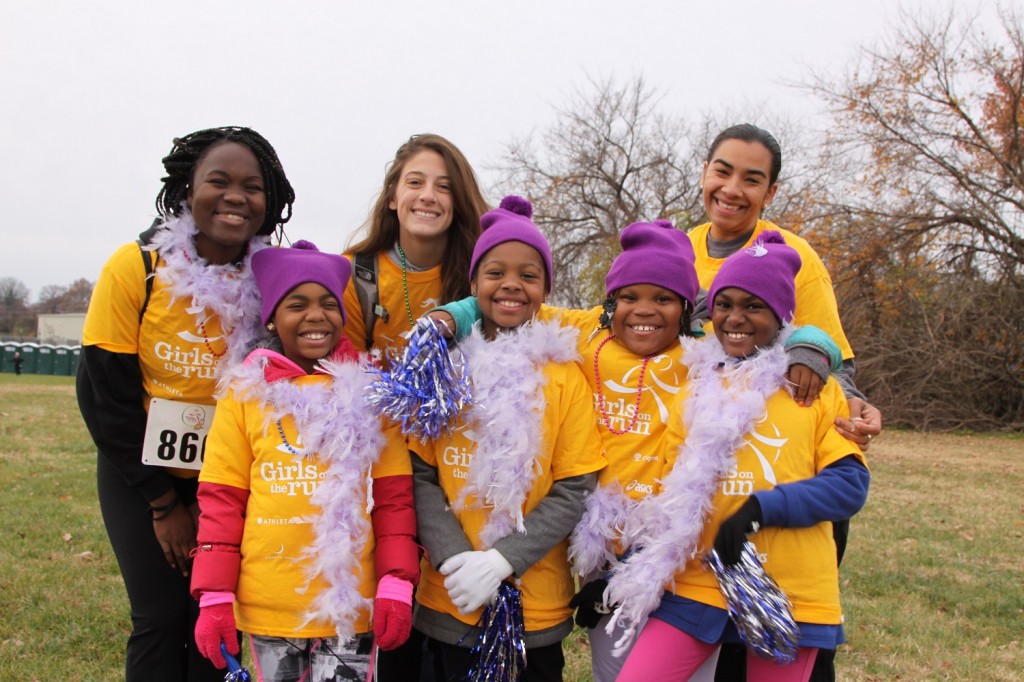
Moten Elem Team pic Fall 2016 5K

When a volunteer coach shares with us, “Girls on the Run allows me to provide a positive space in the school community to help girls to learn and love physical activity and themselves” I get goosebumps and blink twice about how grateful I am to work for an incredible organization.

We have 1,600 amazing volunteers (per year) and that inspires me!

Everyday, I wake up in awe of how many people want to give back to our girls across all eight wards of DC! They are the lifeline of the organization. They have a real passion to empower young girls to become confident women, and our whole team is very grateful for them.

We’re looking forward to continuing the expansion of our circles in the DC community! We have a goal to serve 22,000 girls by 2020 so they all know their limitless potential. On June 4th, we will move our end of season 5K to a more visible venue for our community at Freedom Plaza (14th St and Pennsylvania Ave NW). We want the DC community to join us as we run for our girls – running or walking through the heart of the city. Everyone can support the future of Girl Power by running alongside girls from every corner of DC.

10 years ago we started by serving 13 girls in one school and today we are serving over 2,000 girls a year. 13,000 amazing, strong, and brave young girls have completed this life-changing program. We have watched girls complete the program from every corner of Washington, DC. We have seen thousands of girls cross the 5K finish line, a finish line that does not discriminate by skin color, background, or religion. Girls on the Run brings people together from all walks of life, and that in and of itself is a powerful lesson.

Washington, DC is well known as a center of political power and influence. But this context masks a troubling reality: DC’s children and youth face disproportionately high rates of at-risk conditions, with child poverty, childhood obesity and teen pregnancy that are at or near the highest in the nation. Body image issues among girls escalates quickly in elementary school and by middle school, 70 percent of girls are dissatisfied with two or more parts of their body, and body satisfaction hits rock bottom between the ages of 12 and 15.

We know that girls who have a strong sense of self-worth, confidence and personal agency and who have been exposed to consistent, positive messages about the benefits of avoiding risky behaviors are shown to make better decisions throughout adolescence than their peers who lack these attributes.

Girls on the Run can make a big difference in a girl’s life. It is a place where pivotal “aha” moments of change can happen. We are ensuring that the next generation of girls in DC will know their limitless potential. Families, relationships, communities, governments all will be strengthened by the confident women that these girls will grow up to become!

To Volunteer or learn more about Girls on the Run DC contact: (202) 607-2288 or email INFO@GOTRDC.ORG

Celebrate Black History Month with CASA Prince George’s County

Jan_2 (1)

“Make Justice a Reality for all Children,”… Including Foster Children

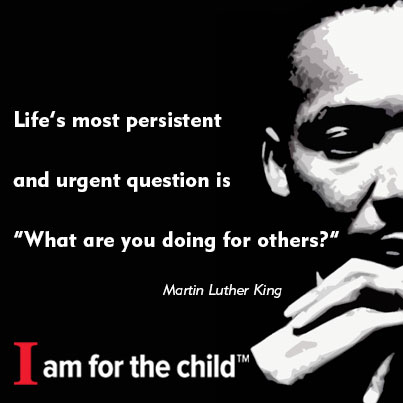
Dr. Martin Luther King Jr. said at his “March on Washington” on Aug. 28, 1963, “Now is the time to make justice a reality for all of God’s children.” If he were alive today, he may have even rallied support for Court Appointed Special Advocates (CASA’s) who stand up for boys and girls. CASA’s are volunteers sworn-in by a judge to investigate a foster child’s needs and challenges – from academics to emotional well-being – and then report back their findings and recommendations.

At CASA/Prince George’s County, we celebrate Black History Month and thank Dr. King, and other veterans of the civil rights movement, for marching our nation forward towards a more just reality. In their spirit, we recruit, train and supervise CASA’s in Prince George’s County.

PG County is the wealthiest, predominately African-American county, in the nation. Unfortunately, many parts of the county and its residents suffer from high crime, high poverty rates, and a troubled school system.

Consider this: More than half of foster children nationwide drop out of high school, increasing the chances that they will slip into poverty, homelessness and possibly even jail. Today, foster children often begin their lives impoverished, are abused and neglected, abandoned and even traumatized. None of this is the fault of the children, they were simply born to parents unable to care for them.

Upwards of 70 percent of foster children who have been assigned to one of our CASA’s graduate, increasing the chances that they will enjoy a full and productive life.

We opened our doors in 2001 and, like other CASA’s nationwide, have made a real difference in the community we serve. We now have about 150 CASA’s in a county with more than 400 foster children. Our goal is to have one CASA for each child in foster care.

Studies show that foster children with CASA’s are more likely to thrive. With the help of a CASA, a foster child is more apt to graduate from high school, escape poverty and live a longer life.

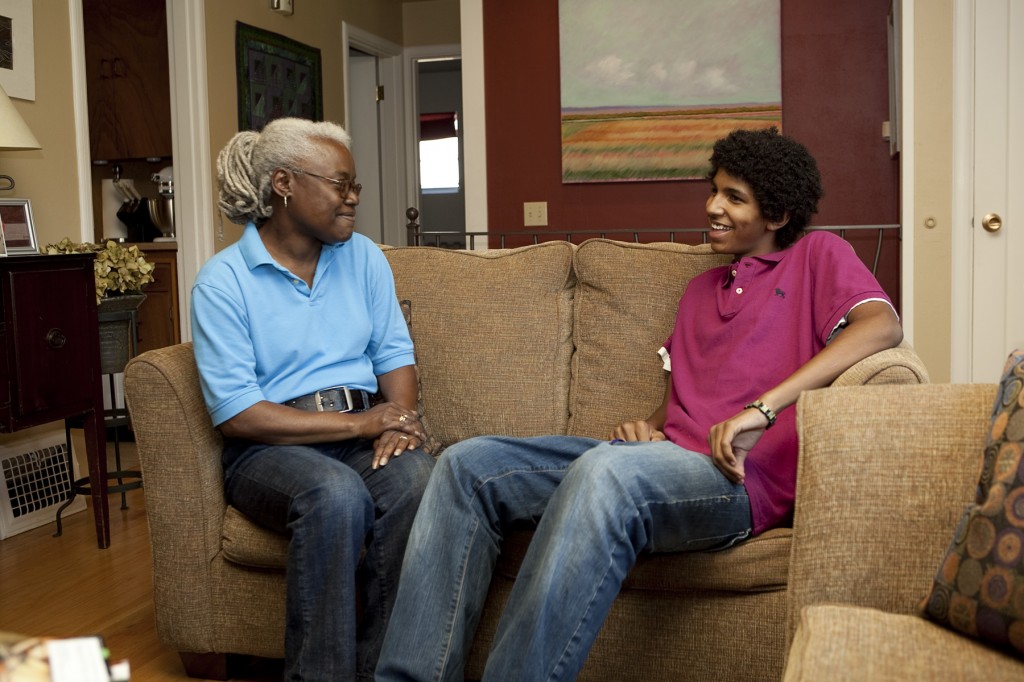
kid and adult living room

Celebrate Black History Month by?becoming a CASA, or learning more about CASA’s, please call: (301) 209-0491 or email volunteer@pgcasa.org.

Also, see: www.pgcasa.org

Celebrate Black History Month with Dance Institute of Washington

Picture #1-webFebruary is Black History Month, a joyous time of celebration and reflection. We applaud the many contributions of men and women of African ancestry, many of whom accomplished feats of greatness despite considerable challenges.
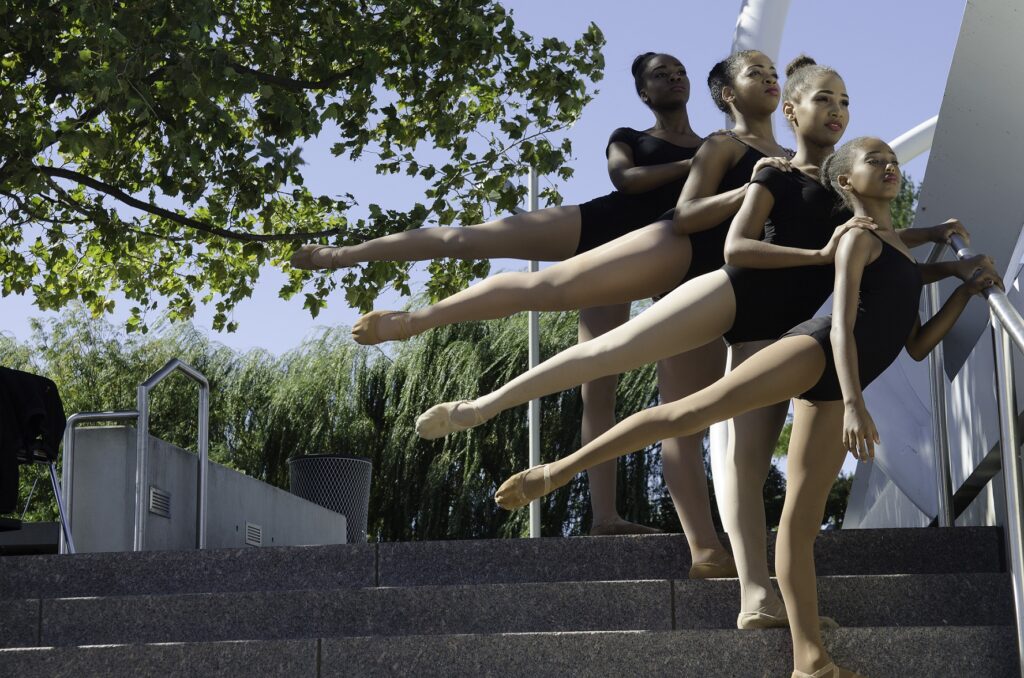
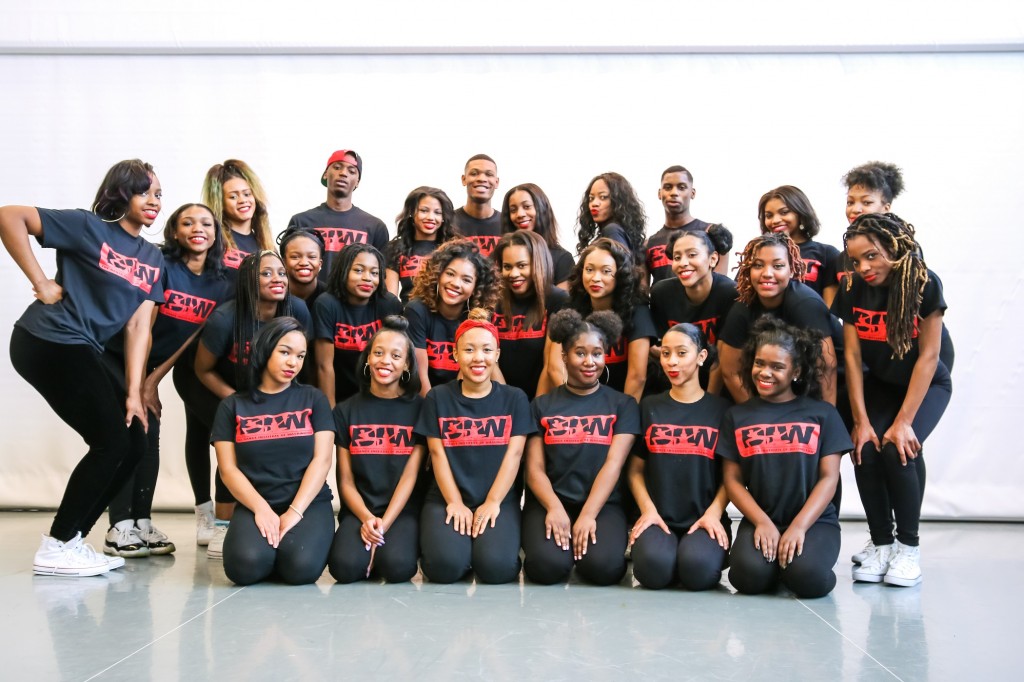
We are indebted to black creative minds throughout history, those who carry the life blood and soul of the African diaspora. In artists from Duke Ellington to Aretha Franklin, from Michael Jackson to Chance the Rapper we appreciate the innovations of song and dance–the beats, the rhymes, the rhythms. Poetry, philosophy, style and culture have all been shaped and enriched by black creators.

The black community has given the world African dance and drumming, jazz, blues, soul, rock, hip hop and countless other modes of powerful expression that survive, evolve, and change the world around us. People of African descent have contributed and continue to pioneer the way in diverse fields including politics, medicine, economics, technology and science, business, sports and more.

For this blog post, Dance Institute of Washington interviewed its students, parents and teaching artists about how Black History Month inspires them.

“Black history lives in dance, because popular dance has a lot of infusion from Afro-Caribbean dance styles. Back in time, dance was a form of communication and recreation,” says Crystal Waters, a DIW parent.

“Black history is dance! Every form of dance comes from black roots,” shares Maria Fenton, another parent.

“All of our lives are connected through dance. It’s a means of communication,” DIW teacher Yasmeen Enahora explains.

Dance Institute of Washington provides youth, especially at-risk, under-served youth from low-income communities, opportunities to develop artistically, socially, emotionally and intellectually through after school dance training, performances, education, work readiness and experience, and youth development.

The late Fabian Barnes established DIW in 1987 after a career with Dance Theatre of Harlem. Celebrating 30 years of service this year, DIW is one of DC’s largest African American arts organizations.? It is a cultural, educational resource, with its own Columbia Heights studios.

DIW meets the needs of DC children through year-round dance training, education, youth workforce development, and performances. DIW affords underserved populations pathways out of poverty. Graduates go on to colleges, including Harvard, Temple and SUNY Purchase; others enter careers with companies such as Ballet San Jose, Suzanne Farrell Ballet, The Lion King and Dance Theater of Harlem.

Black history and, more specifically, the progressive, successful trajectory of black artists leading the way in contemporary ballet and professional concert dance are true inspirations. From pioneer Arthur Mitchell to Dance Institute of Washington founder Fabian Barnes to today’s beloved Misty Copeland, black artists continually rise above barriers and perceived limitations to excel at the highest levels of dance, establishing the strong appeal of the beauty, versatility and virtuosity of black artists and the black experience. To have a thriving dance world, we must continue to diversify both the talent and audience for dance, and the positive examples of successful black dancers help make this possible.

Picture #2

Black History Month is incredibly important to the work of the Dance Institute of Washington. Black history is vital because the success stories and foundation work established by other African people help to empower and inspire today’s citizens. When young people of color and of all backgrounds learn their history, they feel increased membership and belonging, they discover precedents for their own endeavors. The learning and creativity that come from looking back to our ancestors provide a path forward to new horizons.

Hope for the future

“DIW gives me hope for the future! Seeing so many young people involved in the arts.”–Crystal Waters, DIW parent

“DIW gives me hope for the future because the teachers mentor me and allow me to be exposed to new opportunities, and I admire them for that.”--Lauren Mueller, DIW student

“DIW gives me hope for the future because the teachers give us the experience that they have as professionals, and allow us to see how far we can go, as dancers.”–Terrion Jenkins, DIW student

“DIW gives me hope for humanity. Today, in the world we live in, DIW shows that through dance the continuation of humanity is possible.”–Faith Wilson, DIW student

“I love that black and white people, people of different races, are focusing on dance together. DIW is a place that offers a diverse dance experience for all races, and that’s what is hopeful about it.”–Robyn Lee Murphy, DIW parent

Picture #3Kahina Haynes, DIW’s new Executive Director is working diligently with the board, staff and community to strengthen DIW’s operations, programs and partnerships to secure DIW’s position as a beacon of hope and launchpad of talent for years to come.
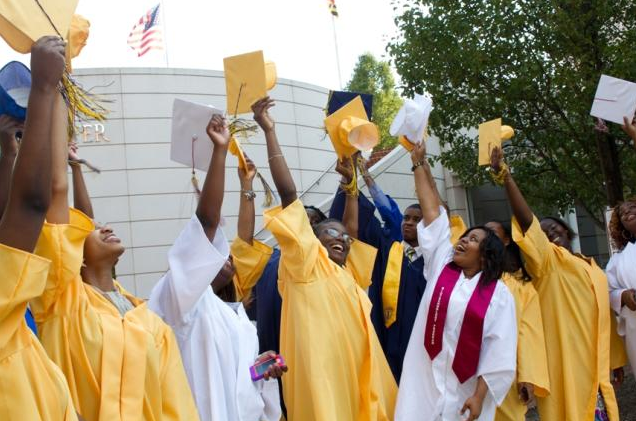
Whether you have a lot of time to give or just a little, DIW welcomes the generous contributions of all volunteers and interns who can support the organization’s mission and core programs. Help is always needed in the areas of marketing, board development, management assistance, fundraising, operations, program delivery, evaluation and customer service. To explore possibilities, please email Mari Williams.

Mentoring helps students gain access to College

FGCB photo

Only 46% of low-income students matriculate to college, according to the US Census. Most of these students are afraid they can’t afford college and that huge debt will burden them and/or their families. At First Generation College Bound (FGCB), we break down misperceptions about college affordability and accessibility, and strive to improve our students matriculation and graduation rates.

Our College Access program works with 150 first generation students annually. Countering the perception that low-income students must win a scholarship to attend college, our program welcomes students with a 2.0 or greater GPA and helps them tackle the financial aid process. Many students receive need-based aid assistance that they didn’t know they qualified for. Our students are ready to make successful transitions to colleges that are the best fit for them and can compete academically with their more affluent peers.

Most of our students must overcome long odds to attend college and obtain their degrees. Mentoring enables our students to overcome barriers which have prevented many first generation college students from attending and graduating from college.

In one-on-one coaching sessions and in workshops, we constantly instill college bound attitudes in our students. Our outstanding College Access Coaches develop customized plans for students, empowering them to surmount barriers blocking their way to their goals. Preparing them to do well in the SAT and maintaining a college bound transcript, we remind our students they can compete academically. We demonstrate attending college is affordable and accessible by showing our students how to leverage aid available to attend college.

For more than 27 years, our college access mentoring has ensured 93% of our students matriculate to college, twice the national average, and 64% of our students finish their degrees in four years, twice higher the national average of 33% for low-income students, according to the National Student Clearinghouse.

FGCB is striving to develop support services and training for other organizations and programs. We hope other groups will want to replicate our highly successful model. If more groups adopt our mentoring approach, we’ll come closer to realizing our vision: one day all Marylanders will have equal access to affordable college educations.

You can learn more about our work by visiting www.fgcb.org