By Kathleen Guinan CEO, Crossway Community
 Crossway Community promotes learning creativity and community for all families in the greater Washington area since 1990. As a local organization with a global mindset, we have had the privilege of supporting hundreds of children and families while building an innovative model that we try to share with policymakers, educators, and leaders around the world.
Our model of social change is rooted in Montessori philosophy and principles. Maria Montessori was a physician and teacher who was working in Italy in the early twentieth century. Using her method, viewing people as naturally curious and motivated by practical life and beauty, what we are really doing is creating the environment to nurture and support learning– for every child, parent, and community member who walks through our door.
When we started, we had a vision of becoming a local resource, and a national model. That has held true over time. On our suburban campus in Kensington, MD, a once an abandoned elementary school is now our three learning centers: The Crossway Community Montessori School, The Family Leadership Academy, and The Intergenerational Learning Center.

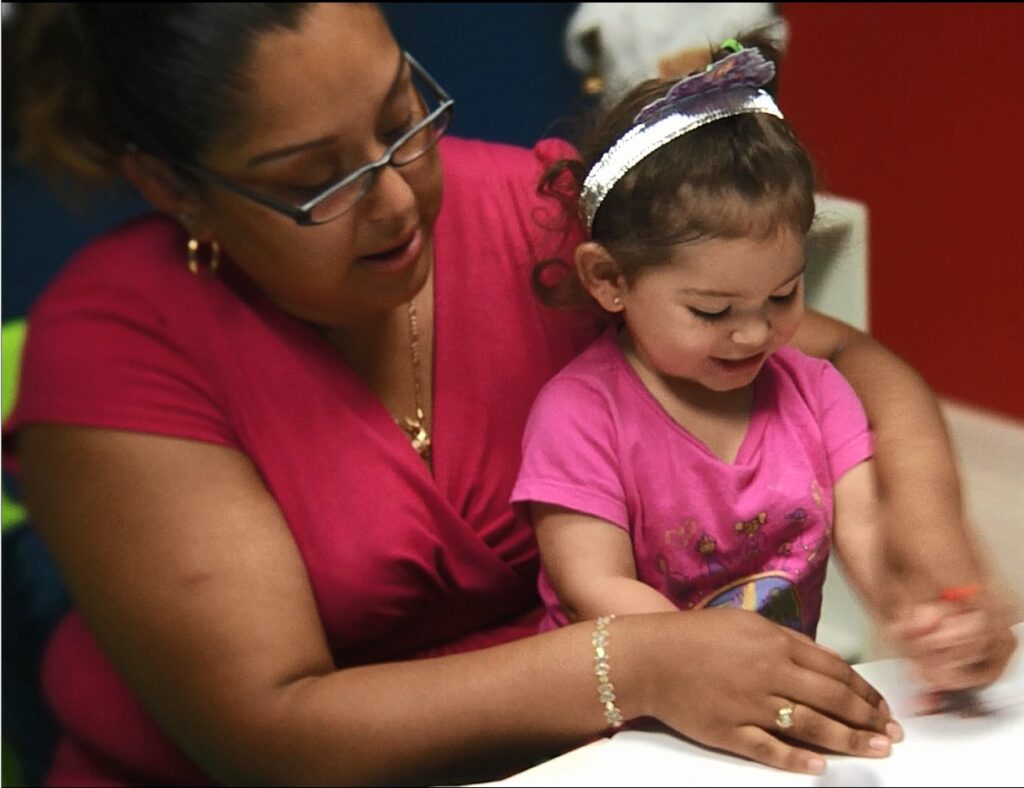
These three centers, which are all integrated and Montessori-infused, represent our model children learning, parents thriving, and community connecting. Some families participate in just one of the learning centers, and others are engaged in all three. But it’s because we’ve got them all operating together that the magic happens. That’s how immigrant families are learning to feel at home. It’s how children of working poor parents are gaining the education foundation for a future that includes college. It is why the volunteers who join us tell us they learn as much as they teach.
My hope for the future is the families that continue to show up, wanting to learn, wanting to grow, wanting to contribute. I have seen the resilience, the dignity, and the compassion that they come through with, even when there is so much negativity and conflict. Witnessing the transformations that happen calms my soul and motivates me to keep dong this work. We approach what we do with a constant desire to learn, to get better, to understand more… there is always hope.
One of the most exciting initiatives we are getting involved with comes out of our Intergenerational Learning Center. In the fall, in partnership with a nationally recognized trainer, we’ll be offering a wonderful workshop for professionals and family members of people living with dementia. This is a perfect example of our model in action. The goal of the workshop is to support people living with dementia by creating a prepared environment, filled with cues and memory supports, that enables individuals to care for themselves, others, and their community so that they may live as independently as possible. More information about the workshop is here.
No two days at Crossway Community look quite the same. But, a really great day often begins with the sounds of singing in the Crossway Community Montessori School. We watch the comings and goings of the families who live on-site in the Family Leadership Program, many of whom are new to this country. The parents are working hard to make progress on their work and education, while establishing routines and relationships that support healthy development of their children.
I am always inspired to see the growth in our organic gardens as the weather warms up. And when the senior citizen volunteers show up to do cleanup projects or mentoring their energy is a force to be reckoned with. I am so lucky to be surrounded by a professional team that “gets it” that wants to be part of something big and positive and real. And volunteers whose generosity knows no bounds. But most of all, it’s about the families.
Obviously, as close as we are to DC, we have a view up close and personal of the political landscape. I think the most useful thing we can do is to try to maintain our position as a calm, principled advocate for families, for education, and for social justice. We have to just stay the course, true to what we know matters for the children and families who have entrusted us to be their partner. That keeps us focused.
We love to give tours, and in 2017, our Event Spaces (including a Cafe with a full commercial kitchen, and the Great Room) are available to the public for family, corporate, and community events. New ideas and visitors are always welcome at Crossway Community. As we like to say, the sky’s the limit!


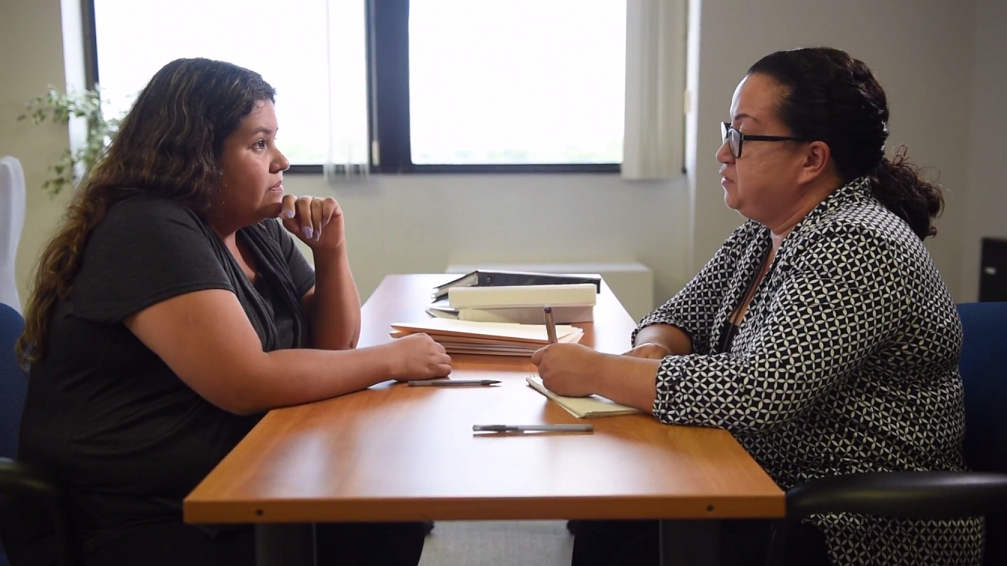
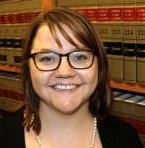

 Our Executive Director, Kari Galloway, works tirelessly to ensure that the organization offers full support to the women we serve. She recently reached her 12-year anniversary with Friends of Guest House. Without her, the program would not be as strong and successful as it currently is. She inspires the staff to work hard and, more importantly, she inspires the women to succeed. Not only does she provide the encouragement and support to each client but she holds them accountable for their actions and offers the constructive criticism they need.
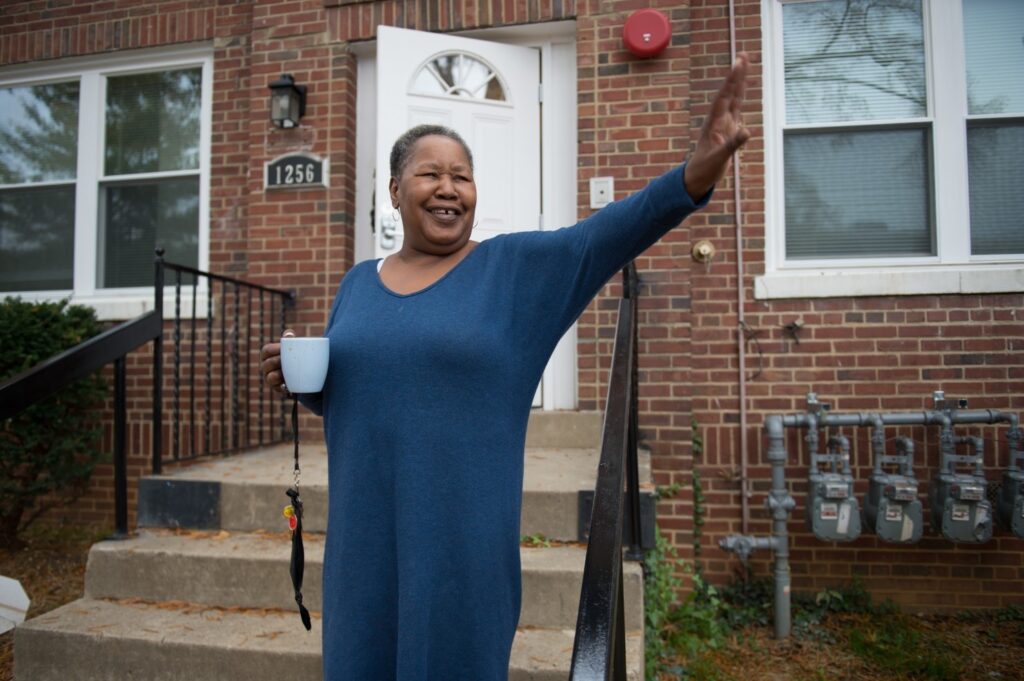 Janet Starke waves to a passing neighbor outside of her new home in N.E. D.C. With support from Open Arms Housing, women like Janet, who were previously homeless, have moved into permanent homes with a welcoming and supportive environment.(Photo credit: Kate Patterson/For The Washington Post)

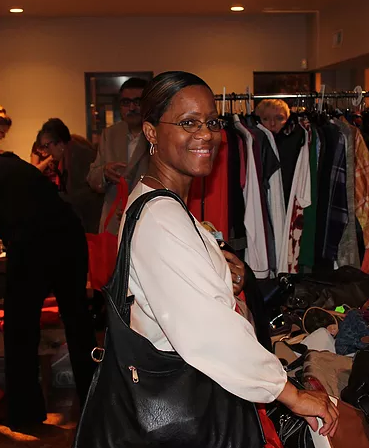 At
At 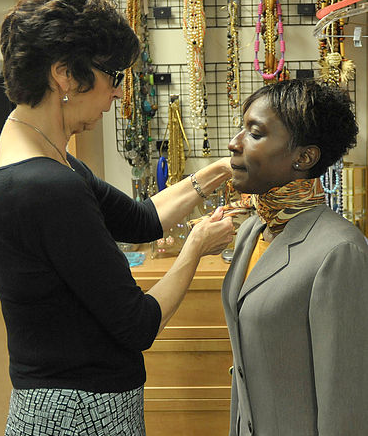 A few weeks ago, I had the great pleasure of helping “suit” a group of women who were completing the culinary training program at DC Central Kitchen. They were about to graduate from the program and came to Suited for Change for interview clothing. I was lucky to attend their graduation breakfast and hear their stories and their extraordinary journeys. One of the women who had been through the suiting program had never held a job. She was a single parent and shy. She emerged from the boutique beautifully dressed in a black suit with a white silk blouse and pearls. At the graduation, I was delighted to learn that she had been hired at the Ritz Carlton as a pastry chef. This is just one story of many each day.